

Putting the “art” in artisanal fashion: Four things the Woven Histories exhibition at the Museum of Modern Art reminded me about textiles
I think of my work in artisanal fashion as selling art. As a friend and client put it, my necklaces make her “feel terrific and feel like she’s wearing art”.
But the narratives around textiles and art have remained distinct and separate. Art is what is considered “fine art” — a painterly piece on a wall.
Handwoven textiles are not that.
But the Woven Histories: Textiles and Modern Abstraction exhibition at the Museum of Modern Art (MoMA) turned this notion on its head.
Here are four things the exhibition reminded me about textiles:
1) Textiles hold their own, defining their space in many settings — yes, even home decor
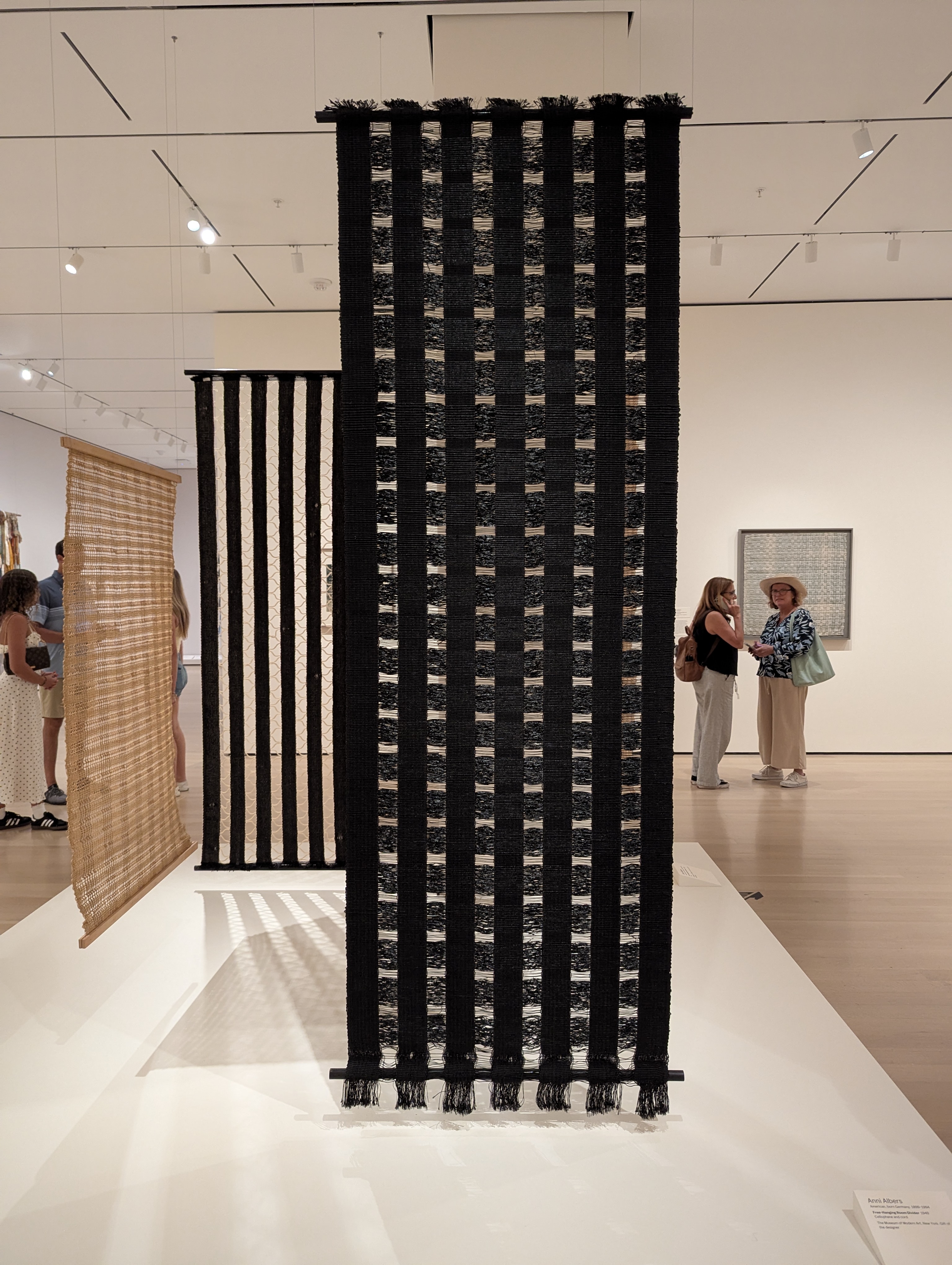
Three pieces by Anni Albers (she studied at the Bauhaus school in Germany), in the image below, caught my attention for their innovative use as room dividers in home decor and for her experimentation with materials. She used cellophane and cord in the one in the front.
2) Hand-loomed textiles are indeed art
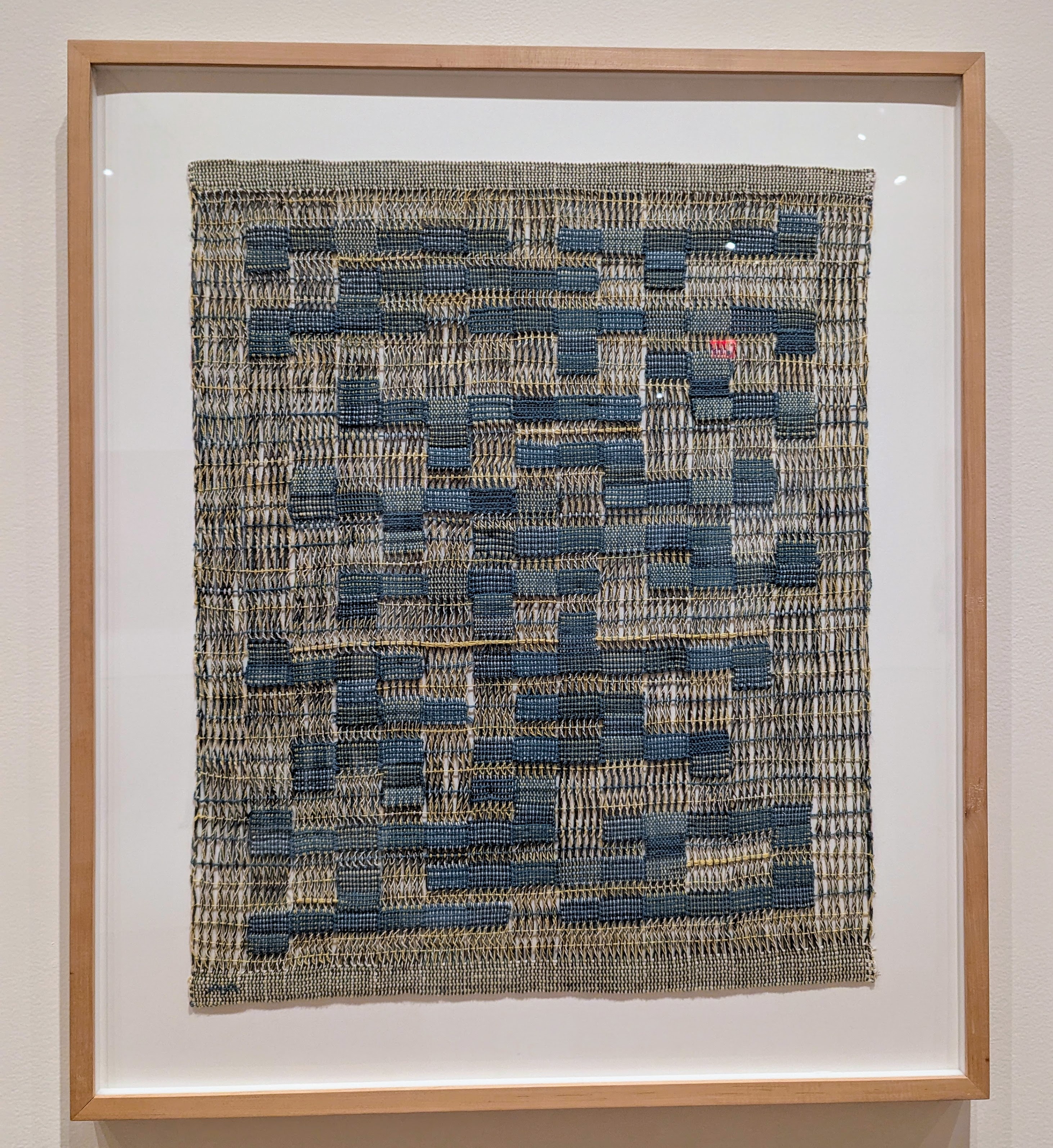
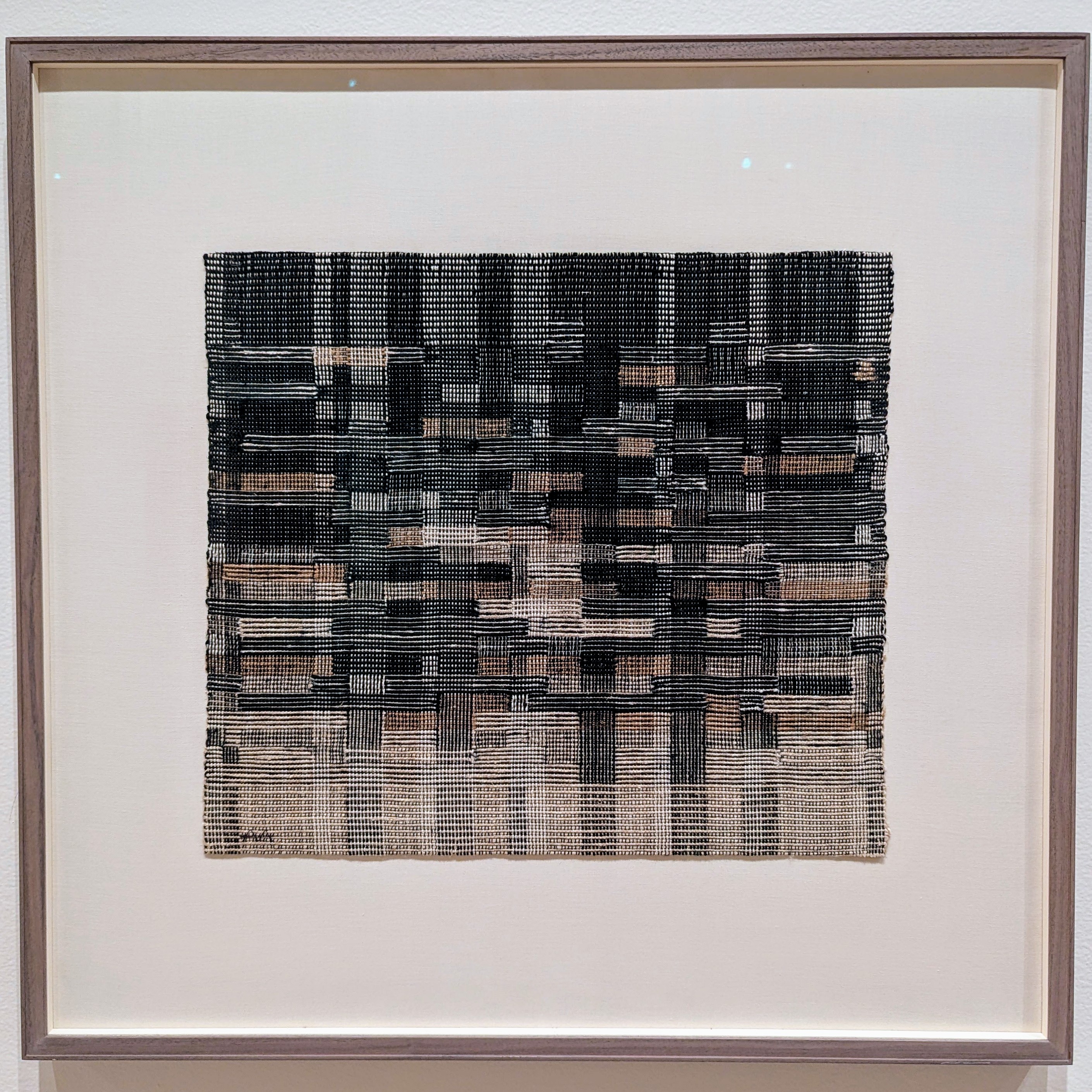
In the late 1940s, Anni Albers (she emigrated from Germany after the Bauhaus school closed in 1933) wove pieces that were intended to be pictorial art and hung alongside paintings by her peers, notably Paul Klee. Many of her wall hangings and tapestries are exhibited in museums. The two below were in this MoMA exhibition.
3) There is power and ceremony in the softness of fabric
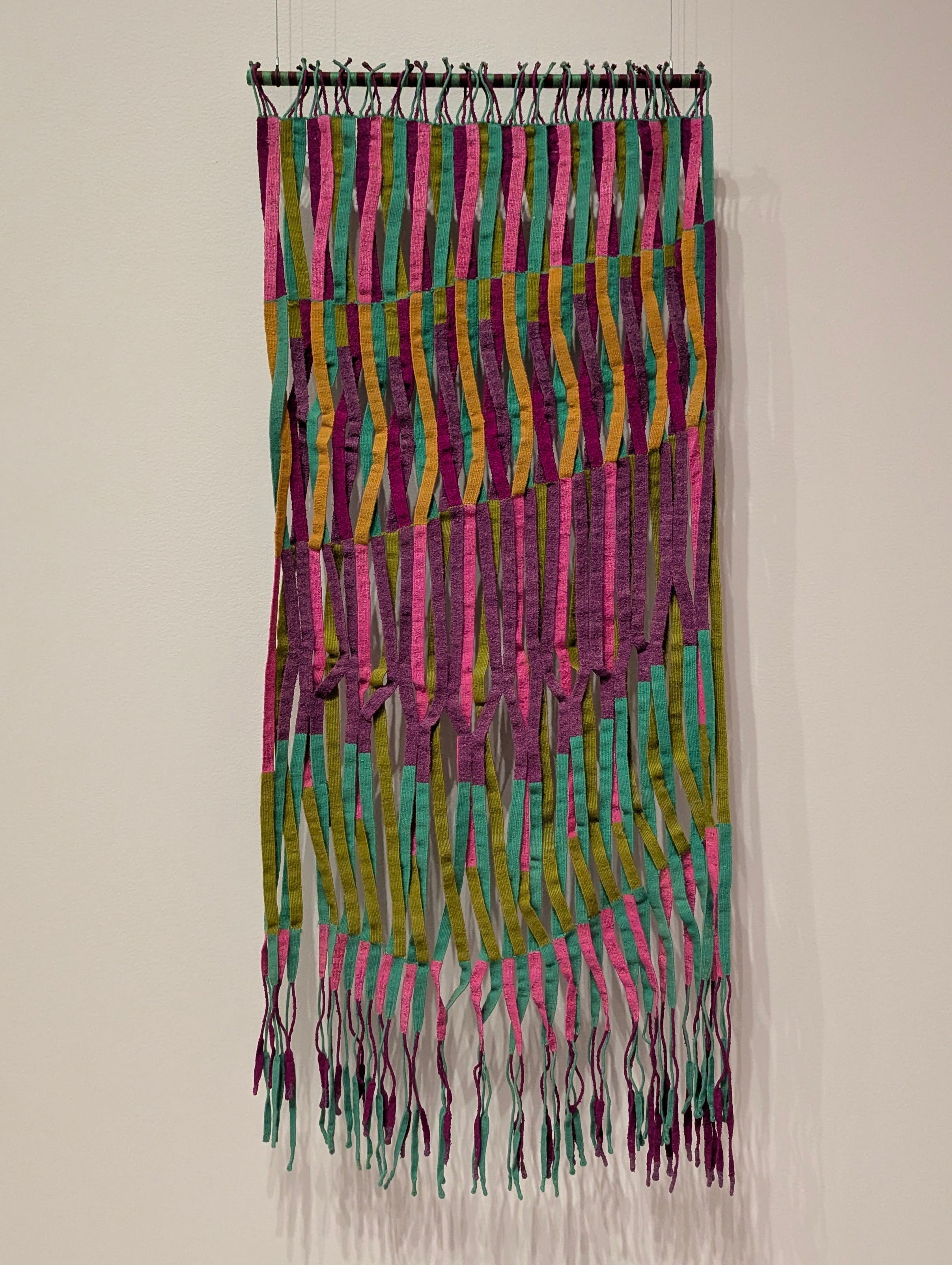
Olga de Amaral’s Cintas entrelazadas (interlacing ribbons) doesn’t shout. It breathes. Dozens of ribbons — soft, woven, irregular — hang together like a curtain made of memory. I was struck by its paradox: how something so soft could feel so structured and so bold. Olga was inspired both by indigenous craft in her native Colombia and by modern abstract art to create this piece.
4) Reclaimed materials used together have meaning — more than the sum of their parts
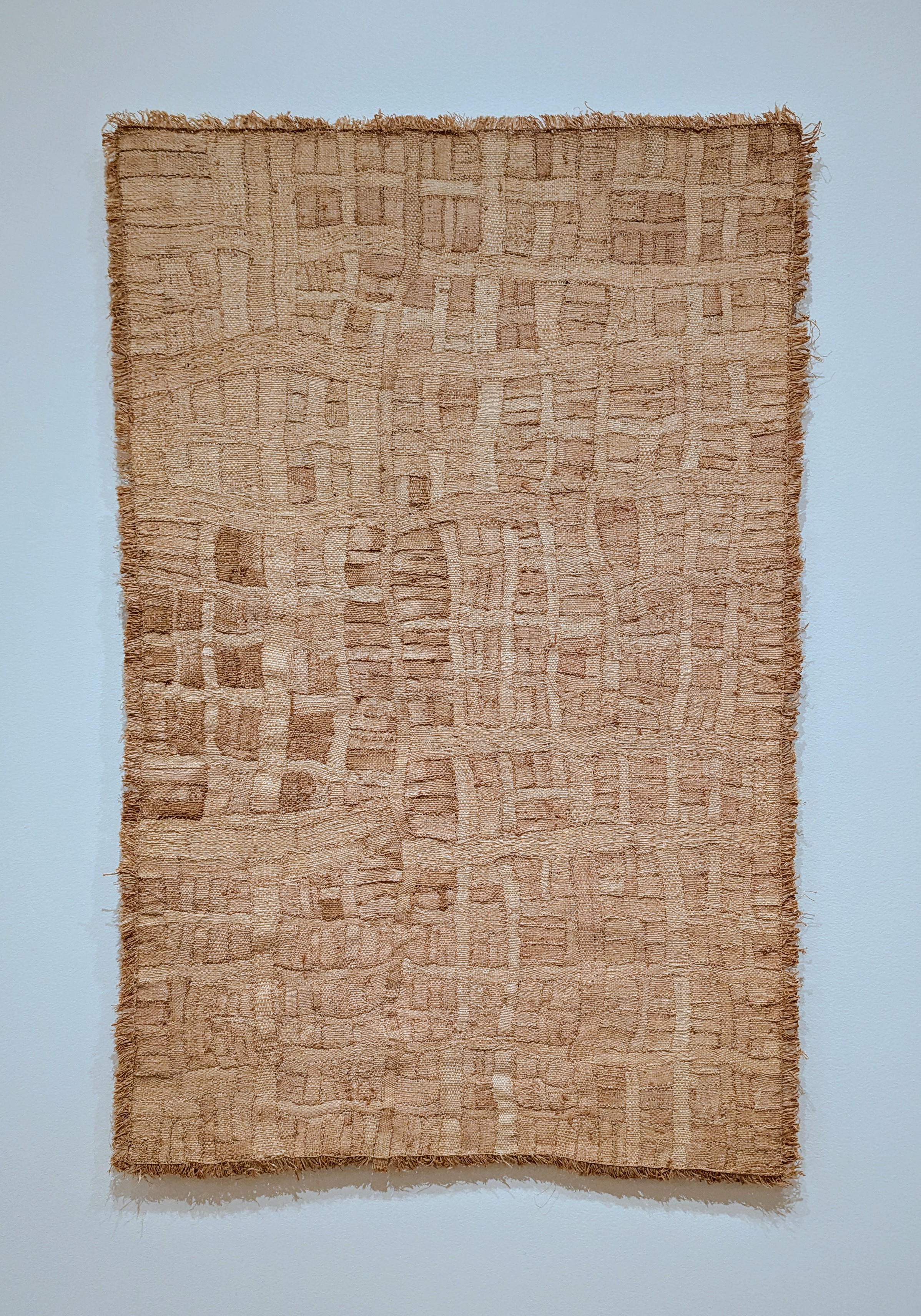
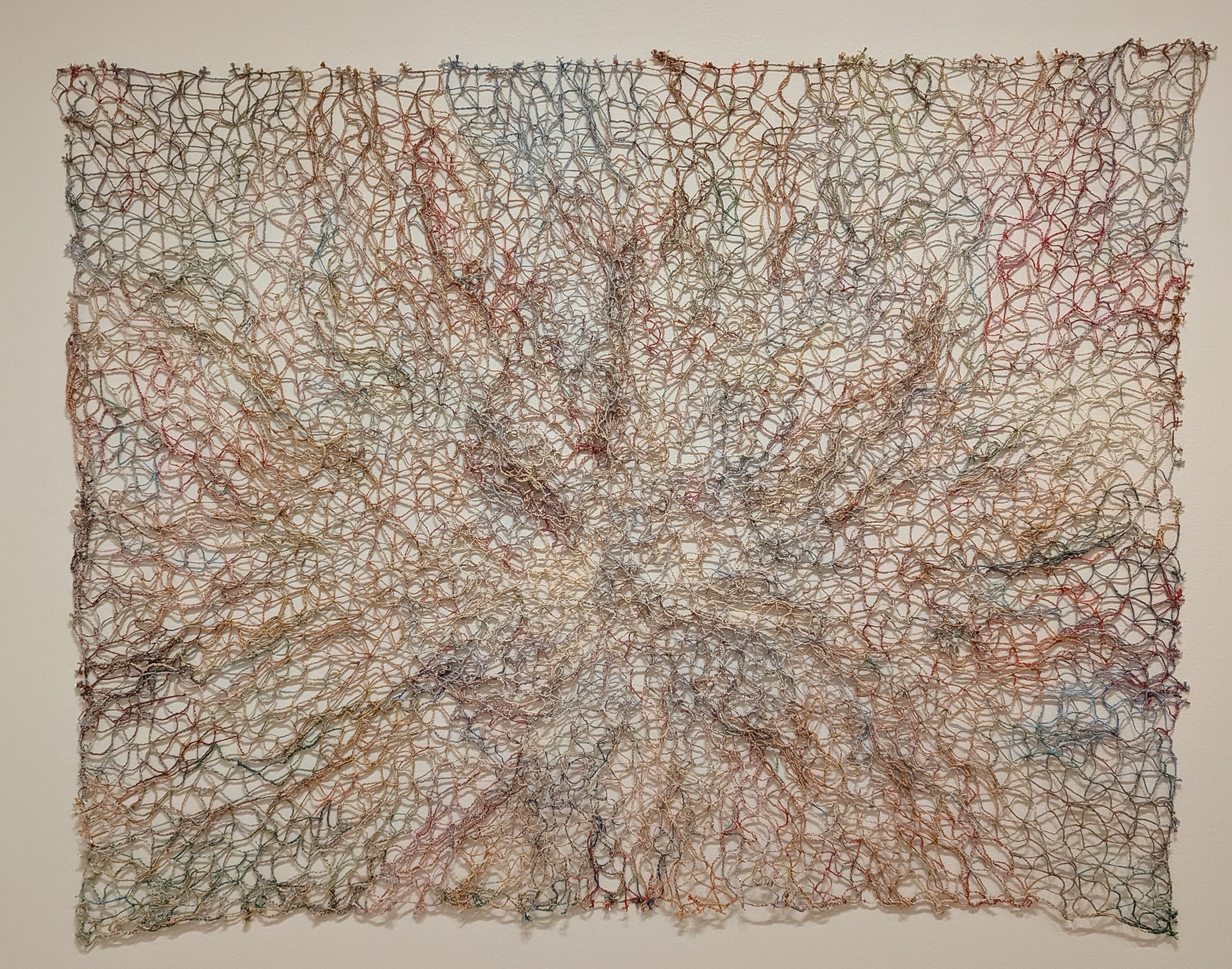
In his hand-loomed wall hangings, Ed Rossbach fused historical precedent and contemporary materials. He used traditional weave structures (like plain weave for example), but wove with whatever he could find: plastic tubing, newspaper strips, foil, packing tape. It wasn’t about honoring “precious” materials — it was about asking, What can this become?
Rossbach reminded me that it’s not what the material is — it’s what it’s capable of. And that transformation is where the magic lies. Below are two images of his work from the exhibition. The “gold” tapestry is made from raffia. The colored wall-hanging is from synthetic raffia.
Woven Histories affirmed what I’ve always believed: that fabric is not just a medium — it’s a message.
And artisanal fashion, at its best, is not just about style. It’s about style with meaning.
Whether you’re wrapping yourself in a Premaasi scarf, layering a kantha shawl, or slipping on a sari silk necklace, I hope you feel the same quiet richness I felt at MoMA.
The sense that what we wear can hold not just style — but story, soul, and memory.
For my favorite handwoven pieces click the link below: